Land Cleared for Safe Access and Use
Brush Removal in Taylorsville for overgrown properties, fire risk reduction, and site preparation
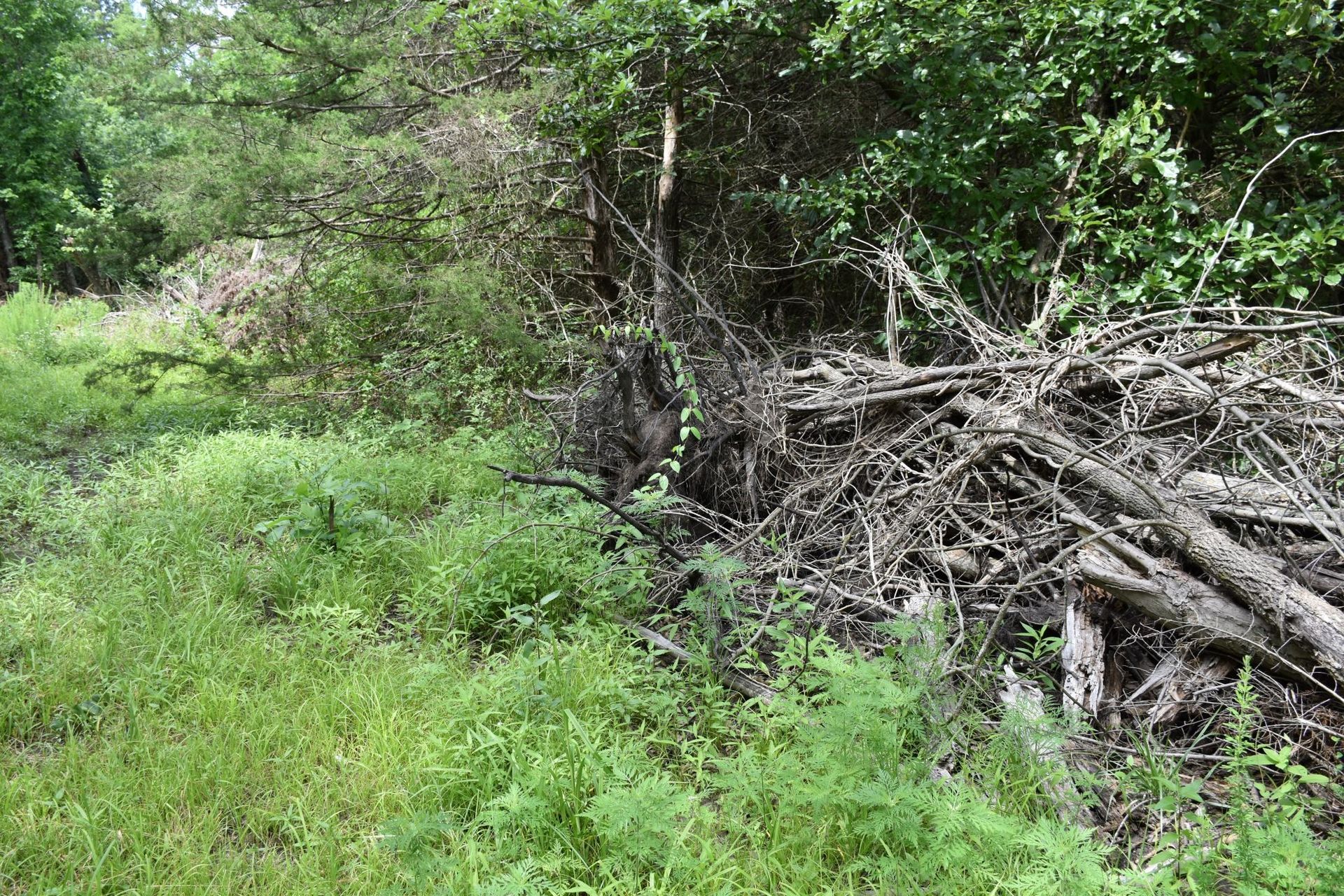
Dense brush and overgrowth block access to rural properties, create fire hazards during dry conditions, and prevent productive land use. Properties throughout Taylorsville accumulate years of unchecked vegetation that must be removed before construction, farming, or even basic maintenance can occur. Full Time Grading & Excavating clears brush, saplings, and thick undergrowth from residential acreage, farms, and undeveloped parcels, restoring usable space and reducing wildfire fuel loads that threaten structures.
Brush removal involves cutting vegetation at ground level and extracting root masses that resprout if left in place, then clearing debris to leave bare soil or low stubble depending on your next steps. The process differs from mowing because it removes woody stems, briar thickets, and invasive species that standard equipment cannot handle, and it prepares land for grading, planting, or building rather than just temporarily cutting back growth.
Arrange a site evaluation to assess vegetation density and determine the equipment approach for your specific acreage.
Why Brush Clearing Matters Beyond Appearance
The clearing process uses tracked equipment that pushes through dense stands without getting tangled in vines or stuck in soft ground, cutting and piling vegetation for removal or burn pile preparation depending on local regulations and site access. Heavy brush near structures gets cleared carefully to avoid damaging fences, utility lines, or established trees you intend to keep.
Once cleared, you gain visible property lines, equipment access for maintenance or construction, and reduced tick and pest habitat that accumulates in thick undergrowth. Fire safety improves significantly because the cleared defensible space prevents flames from reaching buildings during wildfire events, a consideration that matters in rural areas where response times are longer. Sites prepared for construction or new landscaping have clean working surfaces without vegetation interfering with grading or foundation work.
Debris handling depends on site conditions and your plans, with options including hauling material offsite, chipping smaller growth, or arranging burn piles where permissible. The goal is leaving your property functional rather than just moving the problem to a different part of the lot.
Common Questions About This Service
Landowners preparing overgrown acreage for use often ask about the process, timing, and what remains after clearing.
What types of vegetation are removed during brush clearing?
The service removes saplings, briar patches, dense undergrowth, invasive species like multiflora rose and privet, and overgrown shrubs, but not large established trees unless specifically included in the scope.
How is brush clearing different from forestry mulching?
Brush removal cuts and extracts vegetation, leaving bare ground suitable for immediate grading or construction, whereas mulching grinds material in place and works better for trails or properties where you want decomposing organic matter left on site.
When should brush removal happen relative to other site work?
Clearing occurs before grading, utility installation, or building construction because vegetation interferes with equipment operation and accurate site measurement, and roots left in place cause settling under foundations or driveways.
What happens to the cleared material and debris?
Material is either hauled away in dump trailers, chipped if volume and access allow, or piled for burning where local regulations permit open burning and you have adequate distance from structures.
How does weather affect brush removal scheduling in the Taylorsville area?
Wet conditions make equipment access difficult on sloped or soft ground common in Alexander and Catawba counties, so scheduling during drier periods prevents soil compaction and rutting that creates drainage problems later.
Full Time Grading & Excavating clears brush across residential and agricultural properties in the surrounding counties, handling parcels from small residential lots to larger undeveloped tracts. Contact the company to review your property conditions and plan
debris handling that matches your site plans.