
Driveways and Access Roads That Stay Clear
Winter prep and snow removal in Taylorsville for driveways, parking areas, and access roads that become impassable after accumulation
Many rural and semi-rural properties in the Taylorsville area were developed with long private driveways and unpaved access roads—layouts that made sense for the land but become genuine liability problems the moment snow and ice lock them in. Full Time Grading & Excavating provides winter prep and snow removal for property owners who cannot afford to lose access to their driveways, parking areas, or working roads when accumulation hits. The difference between a passable surface and a stuck vehicle often comes down to whether the grading was set up correctly before the first snow and whether removal happens before compaction sets in.
The work begins before winter arrives. Proper winter preparation involves evaluating how water drains across your driveway and parking surfaces, identifying low spots where melt and refreeze create ice patches, and ensuring the surface profile sheds water to the sides rather than pooling at the center or along travel lines. When snow removal is needed, the sequence matters: pushing snow to areas where it will not redeposit onto cleared surfaces as it melts, keeping turnaround points and entry aprons accessible, and addressing ice buildup that forms after the initial snow has been cleared.
Contact Full Time Grading & Excavating to arrange a property walk-through and get an estimate based on your specific driveway length, surface type, and access requirements.
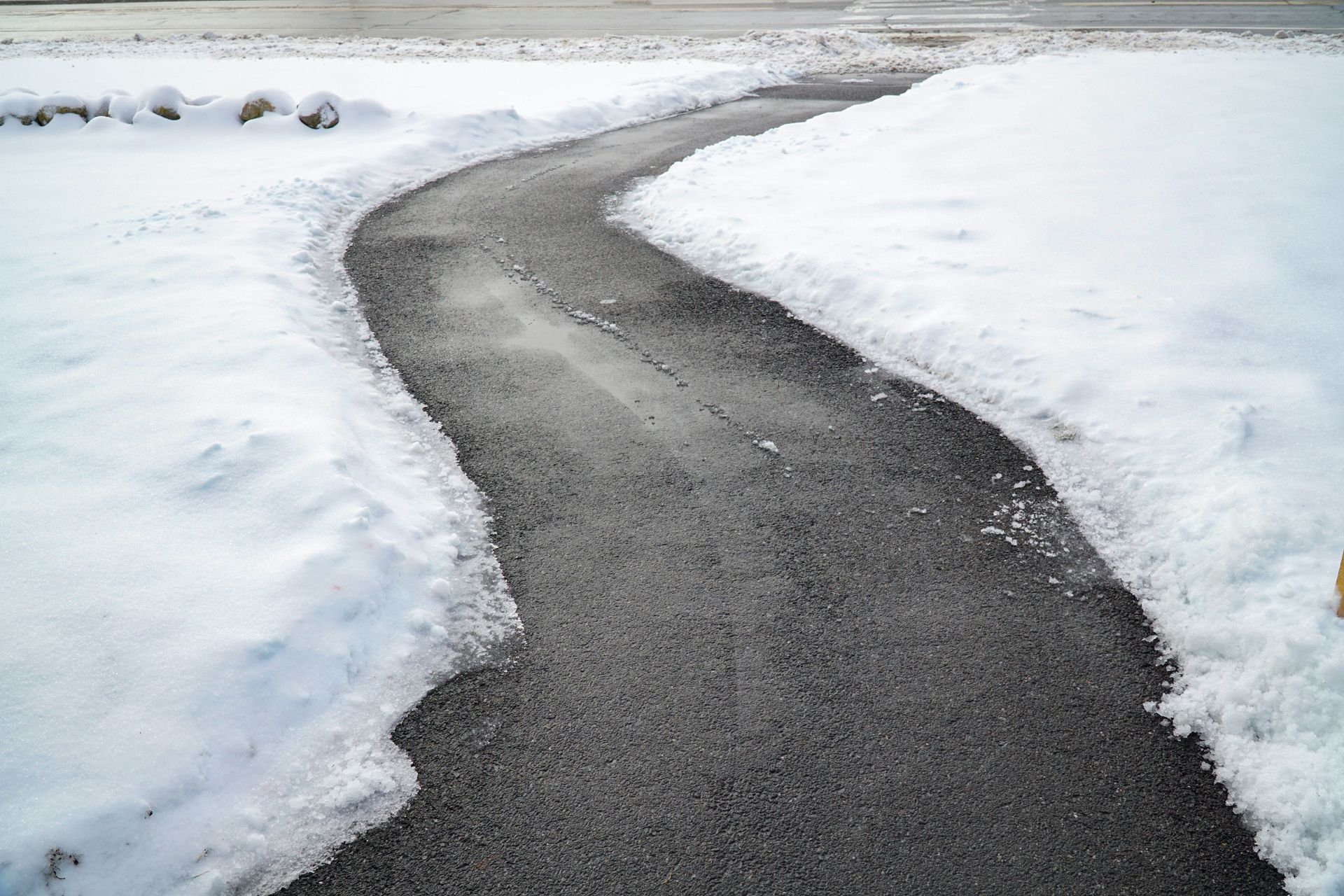
How Surface Preparation Changes Snow Removal Outcomes
Snow removal on a poorly graded surface is harder, slower, and leaves more residual ice than removal on a properly crowned and drained surface. During the preparation phase, the work focuses on correcting the cross-slope of your driveway so that meltwater runs off rather than collecting in wheel tracks where it refreezes overnight. Gravel driveways, which are common on the rural and acreage properties found throughout the Taylorsville area, require particular attention because blade work during removal can displace aggregate if the pass depth is not calibrated correctly to the surface condition.
After preparation work is complete, the visible difference is a surface that drains cleanly along the edges rather than holding standing water in the center or at low points. Once snow removal is performed, you will notice that the cleared path stays clear longer—compacted ice patches are reduced because water has somewhere to go rather than sitting on the surface and bonding as temperatures drop overnight. Access to parking areas and road connections remains functional rather than requiring repeated passes to address refreezing.
The scope of snow removal includes driveways, parking areas, and access roads. Surface conditions—whether gravel, compacted stone, or paved—affect the blade height and pass speed used during removal, and those decisions are made on site based on what the surface can handle without losing material or gouging the grade.
What Property Owners Ask About This Work
The questions below focus on how winter prep and snow removal are actually performed, and what property owners with driveways, parking areas, and access roads should expect from the process.
What does winter prep actually involve before snow arrives?
Preparation work typically includes evaluating the cross-slope and drainage profile of your driveway, filling ruts or low spots that would trap meltwater, and ensuring the surface sheds water to the sides rather than pooling in the travel path where it can refreeze.
How is snow removed from gravel driveways without displacing the surface material?
On gravel surfaces, the blade is set to ride slightly above the aggregate layer rather than cutting down to bare stone—this clears the snow without pulling gravel into windrows or leaving the surface uneven after the pass.
What determines where removed snow is pushed or piled during a clearing pass?
Snow is directed toward areas that will not drain back onto cleared surfaces as temperatures rise—typically to the uphill side of the driveway or into open areas away from entry points and parking where refreezing melt would create hazards.
How do access road conditions in Taylorsville affect the removal approach?
Properties with longer unpaved access roads often have surface irregularities from prior use that require the operator to adjust blade angle and pressure mid-pass—a single fixed setting does not work across the full length of most rural access roads in this area.
What should be done to maintain a cleared surface between removal visits?
Keeping the surface clear of debris that compacts under snow helps the next removal pass stay clean, and ensuring drainage ditches alongside the driveway are not blocked allows meltwater to exit the surface rather than refreezing at the edge of the cleared path.
Full Time Grading & Excavating works with property owners on both the preparation side and the active removal side, so the surface is set up correctly before the season and maintained through it. Request an estimate that accounts for your driveway length, surface material, and how your access road connects to the property.